What Counts as “Real” Tea?
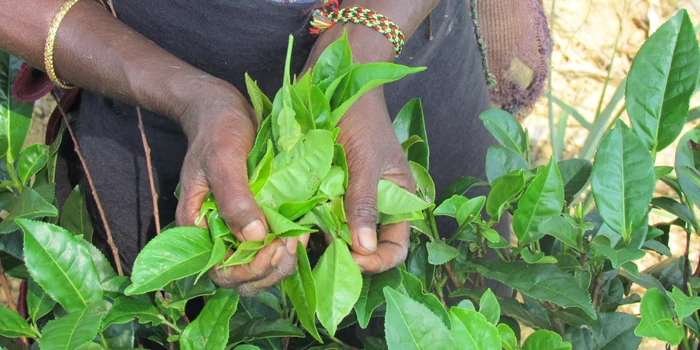
True tea comes from a single plant: Camellia sinensis. Whether it’s green, black, white, or oolong, all traditional teas are made from the leaves of this plant.
The differences between these teas come from how the leaves are processed (oxidised, dried, or steamed) but they all share the same origin. Because of this, they also share certain characteristics, including the presence of caffeine and specific antioxidants.
What Are Herbal Infusions?
Drinks made from dried ginger, fruit, flowers, or herbs fall into a different category altogether. These are known as herbal infusions, or sometimes “tisanes.”
Despite commonly being called “ginger tea” or “fruit tea,” these beverages don’t contain any tea leaves. Instead, they’re made by infusing hot water with plant ingredients other than Camellia sinensis.
Caffeine: A Key Difference
One of the most noticeable differences between true tea and herbal infusions is caffeine.
Tea made from tea leaves naturally contains caffeine, although the amount can vary. Herbal infusions, on the other hand, are naturally caffeine-free. This makes them a popular choice for evenings or for anyone looking to reduce their caffeine intake.
Flavour and Experience
Tea from Camellia sinensis often offers more complex and layered flavours. Depending on the type, you might notice notes that are floral, grassy, malty, or even smoky.
Herbal infusions tend to be more straightforward. Their flavour usually reflects the main ingredient. While they may be less complex, they can still be rich and satisfying in their own way.
Health and Benefits
Both true tea and herbal infusions can be beneficial, but their properties differ.
Traditional tea is known for its antioxidants, such as catechins and polyphenols, which are often associated with overall wellbeing.
Herbal infusions vary widely depending on their ingredients. Ginger is commonly used to support digestion, while fruit infusions can provide hydration and a naturally sweet taste without added sugars.
Brewing Differences
Another distinction lies in how they’re prepared.
True teas can be sensitive to brewing conditions. Water that’s too hot or steeped for too long can result in bitterness, especially with delicate teas like green tea.
Herbal infusions are generally more forgiving. They can usually handle boiling water and longer infusion times without becoming unpleasant, making them easier for beginners to prepare.
Final Thoughts
While both drinks are commonly grouped under the umbrella of “tea,” true tea and herbal infusions are quite different in origin, flavour, and function.
Tea made from Camellia sinensis offers complexity, caffeine, and a long cultural tradition. Herbal infusions, made from ingredients like ginger and fruit, provide a naturally caffeine-free alternative with a wide variety of flavours.
Neither is better than the other. It simply depends on what you’re looking for in your cup. Whether you prefer the depth of a classic tea or the comforting simplicity of an herbal infusion, there’s something for every taste and moment.